Oh, the story of the White Christmas Deer is honestly so charming—I’ve seen how it captures folks’ imaginations every holiday season. Their rare white coats kind of give off this magical, pure vibe, you know? It’s like winter’s own little miracle. And get this: according to the National Wildlife Federation, the odds of spotting a true albino deer in the wild are like, one in 30,000. That’s super rare, which only makes them even more special and mystifying.
But, of course, with all their beauty come a bunch of stories and myths. Some folks believe these white deer bring good luck, while others think they might be a sign of bad news. The Wildlife Society points out that there’s a lot of cultural significance around them, but honestly, there are also some real concerns about their environment and survival. A lot of people get the genetics wrong or don’t realize how fragile their existence actually is.
As much as we’re enchanted by these white marvels, it’s worth thinking about what we can do to help them. Habitat loss is a serious threat — and it’s kinda sad, really. They’re both breathtaking and vulnerable at the same time. Recognizing that kind of tension helps us appreciate the 'White Christmas Deer' even more and reminds us that we play a part in their future. So, yeah, it’s not just about marveling at their beauty but also about making sure they stick around for many more holiday seasons to come.
White Christmas Deer: An Introduction to their Unique Habitat
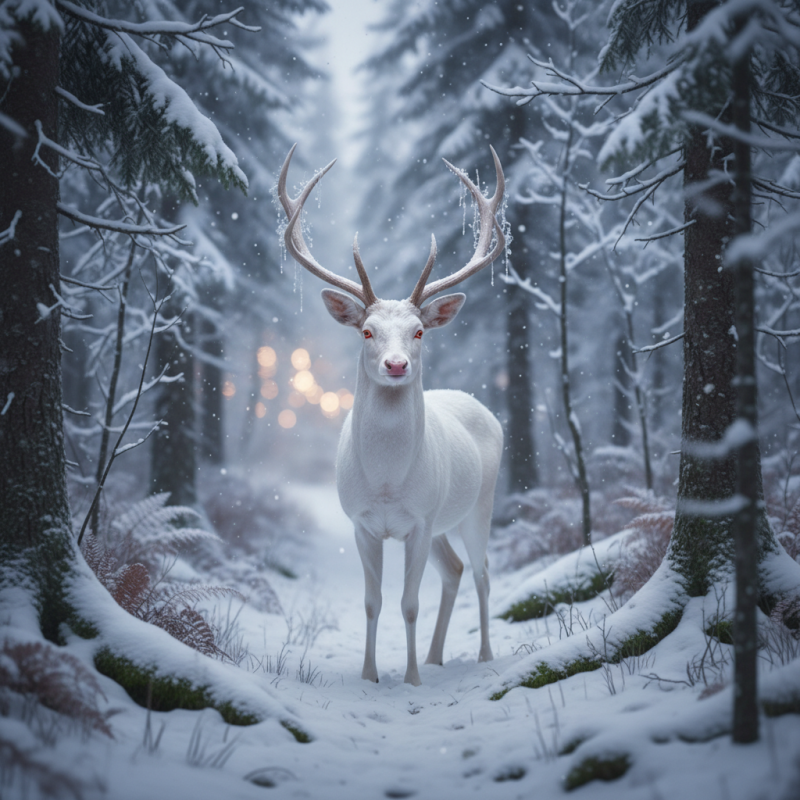
White Christmas Deer thrive in unique habitats that shape their existence. These deer are often found in dense coniferous forests. The snow-covered ground offers them perfect camouflage. Their white coats blend seamlessly with the winter landscape. This helps them evade predators. They are well-adapted to cold climates. Their thick fur provides insulation against harsh weather.
The unique habitat of White Christmas Deer does not only include forests. They also frequent mountainous areas and open fields. These environments offer them a variety of food sources. However, human activities can threaten their habitats. Deforestation and urban expansion reduce their living spaces. Climate change also affects their food supply. Such challenges need careful consideration. It forces us to reflect on conservation efforts.
Observing White Christmas Deer in their natural habitat is magical. Snowflakes gently fall as they move gracefully through the trees. Yet, every sighting reminds us of their vulnerabilities. We must acknowledge that their existence hangs by a thread. It is a call to action, urging us to protect their unique habitats. Balancing our development with nature is crucial.
Distribution and Population of White Christmas Deer Across Regions
White Christmas Deer are unique creatures known for their striking white coats. These deer are a result of a rare genetic mutation. They are found in various regions, each with differing population densities. Their distribution often correlates with suitable habitats, which include forests and open fields.
In North America, these deer are occasionally seen in the northern states. Their populations are limited but can be spotted during winter months when snow covers the ground. In contrast, they are less common in the southern regions. The warmer climate might not support their survival, limiting their spread.
Observing these rare deer can be challenging. Many wildlife enthusiasts seek them out, but sightings are still infrequent. Some myths surround their existence, suggesting they are an endangered species, which isn’t entirely accurate. While they are uncommon, their population status varies by location. Understanding their distribution helps in conservation efforts, yet more studies are needed to paint a complete picture. The mystery surrounding White Christmas deer continues, prompting further exploration into their needs and population dynamics.
Dietary Habits: What Do White Christmas Deer Typically Eat?
White Christmas Deer, also known as reindeer, exhibit fascinating dietary habits. They are herbivores and primarily graze on a variety of vegetation. Their diet includes grasses, sedges, and lichens. In winter, they rely heavily on lichens, which can be scarce in some areas. Data from wildlife studies suggests that over 50% of their winter diet consists of these nutrient-rich fungi, highlighting their importance in harsh conditions.
Understanding what White Christmas Deer eat is critical for conservation. According to a report by the International Union for Conservation of Nature (IUCN), habitat loss has significantly impacted their food sources. In regions where trees are removed, food becomes harder to find. As a response, these deer sometimes exhibit behavioral changes, altering their grazing patterns. They may travel longer distances, risking exposure to predators.
While these deer are adapted to live in cold climates, their dietary needs are delicate. Insufficient food can lead to malnutrition, especially in younger deer. An estimated 40% of young fawns do not survive the winter months due to inadequate nutrition. Awareness of these dynamics helps in efforts to preserve their habitats and ensure their survival.
Myths and Misconceptions Surrounding White Christmas Deer
The phenomenon of White Christmas Deer has intrigued many. Common myths suggest that these deer possess mystical powers. However, scientific studies reveal that they are simply a genetic variation. In fact, about 1 in 30,000 deer is born white due to a recessive gene. This rarity contributes to the myths surrounding them, created over centuries. Many believe spotting one brings good luck, yet there’s no evidence to support such claims.
Tips for those interested in wildlife: Always observe from a distance. Avoid disturbing their natural habitat. This is crucial for their well-being and helps keep the ecosystem balanced. Remember to respect their space, especially during winter.
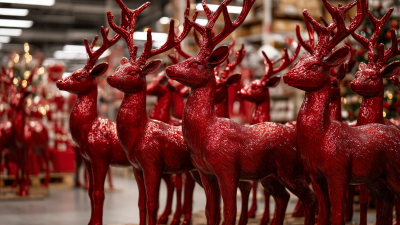
Often, people associate White Deer with holiday decorations. This has led to the rise of White Deer Christmas Decoration themes, symbolizing purity and peace. While these decorations add charm to spaces, it’s essential to remember the true nature of these animals. Misunderstandings can lead to unrealistic expectations and harm to wildlife. Learn about their habits instead. Understanding them fosters appreciation.
White Christmas Deer Best Facts and Myths You Should Know
| Fact/Myth | Description |
| Fact | White Christmas deer, also known as albino deer, exist but are rare. |
| Myth | All white deer are albino; some may just be leucistic, a different condition affecting pigmentation. |
| Fact | Albino deer are not viable in all environments due to their lack of camouflage. |
| Myth | Seeing a white deer is considered a bad omen. |
| Fact | White deer populations can be found in various places in North America. |
| Myth | All white deer are magical creatures tied to winter folklore. |
| Fact | Their unique coloring can be attributed to a genetic mutation affecting melanin production. |
| Myth | White deer are protected by law everywhere they are found. |
Seasonal Behavior: How Winter Affects White Christmas Deer
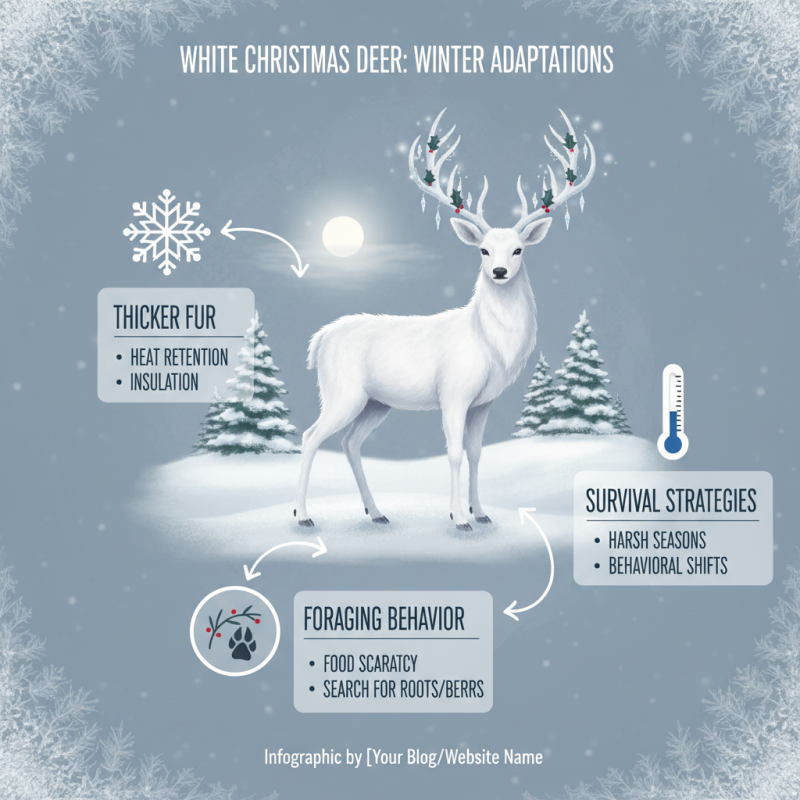
Winter brings unique challenges for White Christmas Deer. These animals adapt their behavior to survive harsh seasons. During winter, their fur thickens. This helps them retain heat. They also change their feeding habits. Foraging becomes essential. Food sources often dwindle amid the snow.
Tips: Provide a salt lick for your local deer. It can help attract them during winter months. Also, consider planting native shrubs. This will give them more food options.
White Christmas Deer are often more reclusive in colder months. They may move less frequently. Their energy conservation is crucial. However, this can make spotting them challenging. Sometimes, hunters or wildlife watchers lose patience. They forget these creatures are adapting, not hiding.
Tips: Use trail cameras to observe their movement. It can be enlightening. Additionally, learn about their winter tracks. This helps in understanding their patterns better. Observing these majestic animals requires dedication and respect for their habitat.
Conservation Status and Efforts for White Christmas Deer
The conservation status of White Christmas Deer is more precarious than many realize. These unique creatures are often associated with holiday imagery. However, their habitats face significant threats. Urban expansion and climate change are altering their living conditions. Their populations are diminishing due to these challenges.
Conservation efforts are underway, but they can sometimes feel inadequate. Organizations work hard to create safe spaces for the deer. Yet, many people still do not understand their ecological importance. Awareness is crucial. Community involvement can make a difference. Simple acts, like supporting local wildlife initiatives, can create positive change.
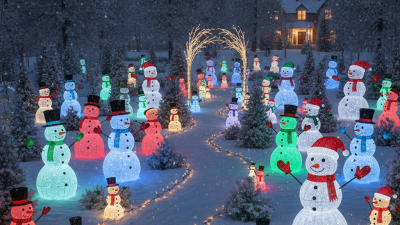
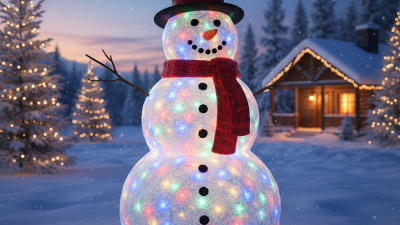
Additionally, some myths surround these deer. Many people picture them alongside a White Snowman during the holidays. But this imagery can overshadow the real struggles the animals face. It is essential to keep the conversation going. By educating others, we can inspire action and foster better appreciation for these beautiful beings.
The Role of White Christmas Deer in Ecosystem Health and Balance
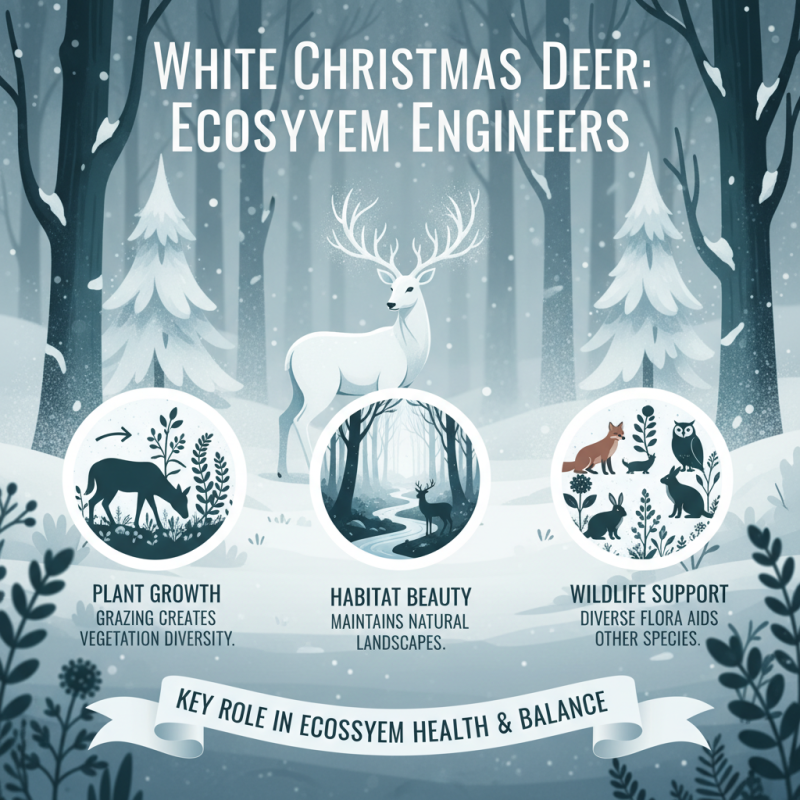
White Christmas Deer play a vital role in ecosystem health and balance. These enchanting creatures help maintain the natural beauty of their habitats. Their grazing patterns influence plant growth, creating a diverse range of vegetation. In turn, this diversity supports other wildlife, contributing to a thriving ecosystem.
The presence of White Christmas Deer can also indicate environmental health. Their populations reflect the state of their surroundings. A decline in their numbers may signal ecological issues. Conversely, a healthy herd can enhance the landscape. Observing these deer reminds us of the delicate balance in nature.
However, we sometimes overlook their importance. People may admire their beauty without recognizing their ecological role. Education about the White Nutcracker can help bridge this gap. Understanding the interplay between deer and their habitat fosters appreciation. We must reflect on our impact on wildlife and their ecosystems. Protecting these animals can lead to healthier environments for all.
Enhancing Seasonal Decor: The Impact of Warm Lighting in Christmas Displays with 13"/11" Basket Santa, Snowman & Deer
When it comes to enhancing seasonal decor, warm lighting plays a pivotal role, especially in Christmas displays. The soft, inviting glow of warm light creates a magical ambiance that transforms any space into a winter wonderland. This year, pair your festive lighting with delightful decorative elements like the 13”/11” Basket Santa, Snowman, and Deer, which not only add charm but also complement the warm lighting beautifully. These whimsical figures bring a touch of cheer and nostalgia, evoking memories of holiday celebrations past.
The strategic placement of warm lights around these merry decorations amplifies their charm, making them not just objects of decor but also focal points that draw attention. Imagine a softly lit living room where the gentle shine reflects off the snowman's shiny nose, or warm light cascading down the contours of Santa’s basket. Such thoughtful lighting arrangements enhance the overall aesthetic and set a warm, inviting tone that beckons friends and family to come together and celebrate. By incorporating both warm lighting and engaging holiday figures, you create a cohesive, festive atmosphere that captures the spirit of the season.
FAQS
: The article aims to inform readers about effective strategies for improving productivity.
Try setting specific goals. Break tasks into smaller parts. Limit distractions around you.
Multitasking can reduce effectiveness. It’s better to focus on one task at a time.
Effective time management helps in prioritizing tasks. It leads to more efficient work sessions.
Taking regular breaks is crucial. Short pauses help refresh your mind and boost creativity.
Avoid long, unbroken work hours. Prolonged focus can lead to burnout and decrease motivation.
Conclusion
White Christmas Deer are fascinating creatures that thrive in unique habitats characterized by snowy landscapes. They are distributed across various regions, often found in areas that support their specific ecological needs. These deer typically have a diverse diet, consuming a mixture of vegetation that includes leaves, twigs, and grasses, which can change with the seasons. Despite their beauty, there are many myths and misconceptions surrounding White Christmas Deer that often misrepresent their behavior and ecological significance.
During the winter months, these deer exhibit distinct seasonal behaviors that help them adapt to colder climates. Their conservation status is vital, as efforts are underway to protect and sustain their populations amidst changing environments. Furthermore, White Christmas Deer play a crucial role in maintaining ecosystem health and balance, contributing to the biodiversity of their habitats and influencing plant growth through their grazing habits. Understanding these aspects is essential for fostering awareness and conservation efforts for this remarkable species.