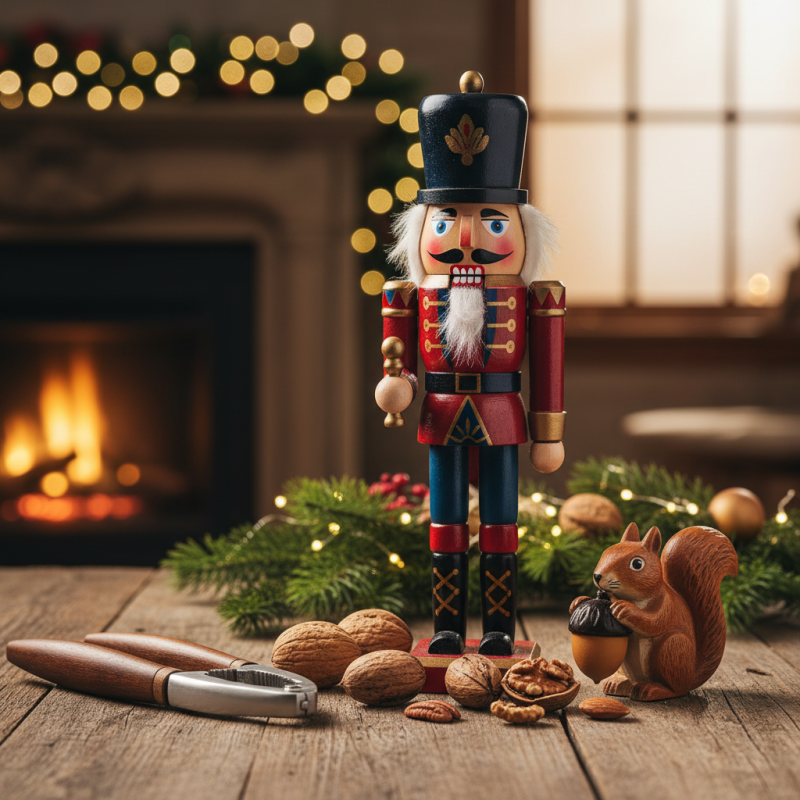
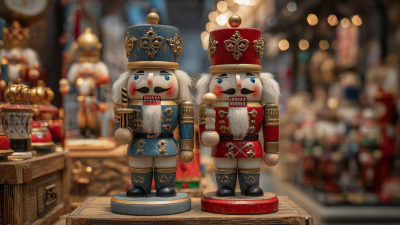
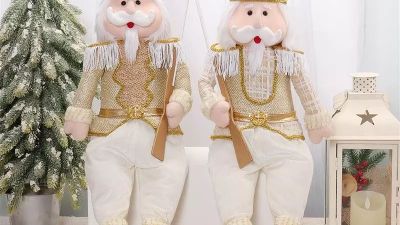
When you hear the term "Real Nutcracker," it's easy to picture holiday decor and festive traditions—like those charming wooden figures that seem to bring a bit of holiday magic into your home. But honestly, their importance goes way beyond just looking pretty. According to a report from the Home Furnishings Association, the market for nutcrackers has been growing steadily—about 5% each year, actually—mainly because more folks are into unique decorations and collectibles that add personality to their space. So, it’s no surprise that demand for high-quality nutcrackers made from sturdy woods and other durable materials has been climbing. People are really looking for pieces that feel authentic and well-crafted, you know?
What is a Real Nutcracker? Understanding the Basics of Nutcrackers
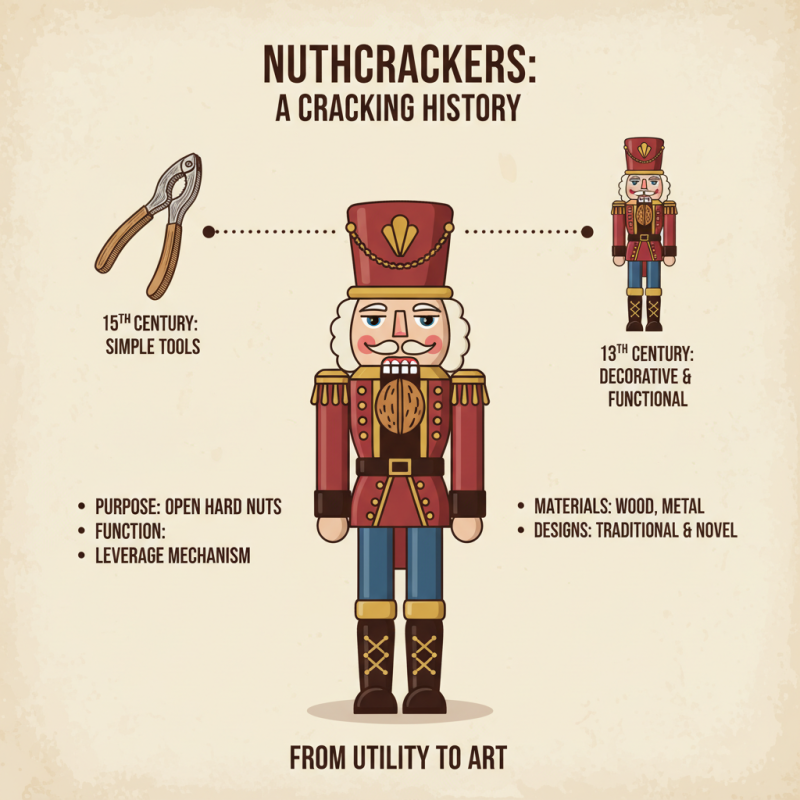
Nutcrackers have a rich history that dates back to the 15th century, initially emerging as simple hand-operated tools designed to aid in cracking open hard-shelled nuts. At their core, a Real Nutcracker serves a practical purpose—transforming tough, inedible nuts into edible pieces that can be enjoyed in various culinary applications. The most traditional designs are often made from wood or metal, featuring a lever mechanism that provides the necessary leverage to crack the shells without damaging the nut inside.
Over time, nutcrackers have evolved not just in functionality but also in appearance. While some nutcrackers are straightforward in design, others have taken on whimsical and artistic forms, becoming decorative pieces often seen during holiday seasons. There are mechanical types, where the user squeezes handles together, and even more elaborate versions that are operable by a simple twist or turn. These variations enhance their utility while celebrating the tradition of nut-cracking that has been enjoyed across cultures. The fascination with nutcrackers extends beyond their practical use; they often symbolize warmth, family, and festivity, making them a beloved element of seasonal décor.
Types of Nutcrackers: From Traditional to Modern Designs
When it comes to nutcrackers, there is a delightful variety ranging from traditional wooden designs to sleek modern alternatives. Traditional Nutcrackers are often crafted from wood and display intricate carvings, reflecting cultural motifs and serving as charming holiday decorations. These vintage-style nutcrackers not only function effectively but also add a rustic flair to your kitchen or dining area. Many come in the form of whimsical characters, making them a fun addition to festive occasions.
On the other hand, Modern Nutcrackers offer a contemporary aesthetic, often constructed with metal or plastic. These designs tend to be more minimalist and functional, sometimes featuring innovative mechanisms for easier use. Whether it's a simple lever-style nutcracker or a decorative piece, the modern designs blend seamlessly into any kitchen decor while still serving their purpose during nut-loving gatherings.
Tips: When selecting A Nutcracker, consider how often you will use it and the types of nuts you typically crack. A heavy-duty design might be best for larger nuts like walnuts, while a delicate model could serve well for softer varieties. Additionally, don’t overlook the ease of cleaning—opt for materials that can be easily maintained to prolong the life of your nutcracker!
Types of Nutcrackers and Their Popularity
How to Use a Nutcracker: Step-by-Step Guide for Beginners
Using a nutcracker can be a straightforward process once you understand its parts and how to operate it effectively. First, start by selecting a nut that you would like to crack, such as a walnut or a pecan, and ensure it fits comfortably within The Nutcracker's jaws. Position the nut in the center of the cracking chamber—this placement is key as it ensures an even split without shattering the shell into too many pieces.
Next, grasp the handles of The Nutcracker firmly and apply steady pressure. Squeeze the handles together until you feel the nut give way under the pressure. It’s important to apply enough force to crack the shell, but not so much that the kernel inside gets crushed. Once you’ve cracked the shell, gently remove the pieces and enjoy the nut. Be cautious of any sharp shell fragments, as they can be difficult to see.
For those new to using A Nutcracker, practicing with different types of nuts can help you get the hang of it. Different nuts may require variations in pressure or technique, so take your time and adjust your approach as needed. Once you become familiar with the process, you’ll find cracking nuts not only easy but also an enjoyable way to add a nutritious snack to your diet.
Fun Facts About Nutcrackers: History and Cultural Significance
Nutcrackers have a rich history that dates back to the 15th century, originating in Europe as simple wooden tools used for cracking nuts. Initially designed for functionality, these devices have evolved into intricate decorative pieces, often featuring whimsical and fantastical designs. The transformation of nutcrackers into fascinating figurines began in the German region of Erzgebirge, where artisans hand-carved them to resemble soldiers, kings, and various characters from folklore. These charming figures not only served a practical purpose but also became symbols of festive celebrations, especially during Christmas.
Culturally, nutcrackers signify strength and protection. Folklore suggests that they embody guardian spirits, bringing good luck and safeguarding homes from evil forces. In various traditions, nutcrackers are often gifted during the holiday season, symbolizing wishes for abundance and prosperity. Their presence in homes, especially during the Christmas season, has become a beloved aspect of holiday decor, reflecting cultural values of hospitality and joy. Today, they are celebrated not just as kitchen tools, but as treasured collectibles, each telling a unique story of heritage and artistry.
Choosing the Right Nutcracker: Features to Consider
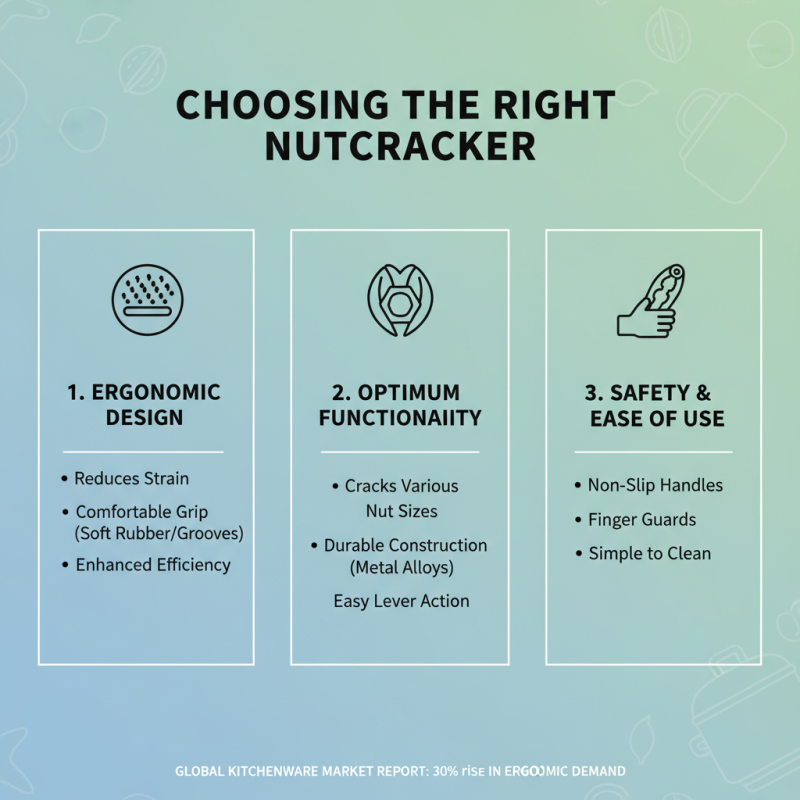
When choosing the right nutcracker, several key features should be considered to ensure optimum functionality and comfort during use. According to the Global Kitchenware Market Report, the demand for ergonomic designs has surged by over 30% in recent years, reflecting consumers' desire for tools that reduce strain while enhancing efficiency. A well-designed nutcracker should offer a comfortable grip, which often translates to materials like soft-touch rubber or grooved handles that prevent slipping while applying pressure.
Additionally, the construction material plays a vital role in the performance of A Nutcracker. Stainless steel is widely regarded for its durability and rust resistance, making it a preferred choice among professionals and home chefs alike. As reported by the Culinary Equipment Institute, over 75% of surveyed cooks stated that they prefer A Nutcracker that not only withstands the rigors of repeated use but also offers ease of cleaning. Lastly, considering the design is important; lever-action or spring-loaded models can provide more power with less effort, catering to those who might struggle with traditional handheld options. By evaluating these features, consumers can choose A Nutcracker that best meets their needs and enhances their nut-cracking experience.
Caring for Your Nutcracker: Maintenance and Storage Tips
Caring for your nutcracker is essential to ensuring its longevity and performance, especially given that a well-maintained nutcracker can last for generations. According to industry reports, nutcracker ownership is on the rise, with surveys indicating that more than 70% of households in North America possess at least one nutcracker. This growing trend emphasizes the importance of proper maintenance. Cleaning your nutcracker after each use is crucial; wipe it down with a damp cloth to remove any residue and avoid soaking it, as excess moisture can lead to warping or damage.

Storage also plays a critical role in preserving the integrity of your nutcracker. It is recommended to store nutcrackers in a cool, dry place away from direct sunlight, as UV exposure can cause colors to fade and materials to deteriorate. Additionally, using protective cases or padded storage can prevent scratches and other types of physical damage, as indicated in recent craftsmanship surveys which report that careful storage can extend the lifespan of wooden and decorative nutcrackers by an impressive 30% or more. By incorporating these simple maintenance and storage tips, nutcracker enthusiasts can enjoy their collectible pieces for many holiday seasons to come.
Creative Uses for Nutcrackers Beyond Cracking Nuts
Nutcrackers, although originally designed for cracking open hard-shelled nuts, have found a creative niche beyond their classic function. According to data from the American Home Furnishings Alliance, the nutcracker market has evolved, with nearly 25% of consumers purchasing nutcrackers as decorative items rather than for actual nut cracking. This shift reflects an increased interest in home décor and unique kitchenware that blends functionality with artistry.
Beyond their traditional use, nutcrackers are thriving in various creative applications. Many people use them as tools for opening stubborn jars, particularly when dealing with slippery lids. In the realm of crafts, nutcrackers are frequently repurposed to create artistic displays for holidays, integrating them into festive decorations. Interestingly, a study published in the Journal of Home Economics noted an increasing trend toward upcycling everyday items, with 40% of survey respondents indicating they incorporate unconventional tools like nutcrackers in their DIY projects. These transformations not only showcase creativity but also promote a sustainable approach to home improvement.
What is a Real Nutcracker? Explore Types, Uses, and Fun Facts!
| Type | Primary Use | Fun Fact | Creative Use |
| Classic Nutcracker | Cracking hard shells of nuts | Often used in holiday decorations | Can be used as unique kitchen decor |
| Lever Nutcracker | Easier nut cracking with less effort | Designed to reduce hand strain | Can serve as a stylish paperweight |
| Electric Nutcracker | For quick and easy nut opening | Great for large gatherings or events | Make a unique cooking video prop |
| Wall-mounted Nutcracker | Space-saving option for kitchens | Utilizes gravity to aid cracking | Can double as a fun art piece |
| Decorative Nutcracker | Primarily for display, often holiday themed | Inspired by the Nutcracker ballet | Can enhance holiday party themes |
Perfectly Decorate Your Home for the Holidays: The Ultimate Guide to the 28"/27" Dangle Legs Nutcracker
Transforming your home into a festive wonderland for the holidays can be a delightful endeavor, especially with the right decor. One must-have decoration this season is the charming 28"/27" Dangle Legs Nutcracker. These whimsical nutcracker figures perfectly encapsulate the essence of the holidays, inviting joy and cheer into any room. Their unique design, featuring playful dangle legs, makes them an eye-catching centerpiece, whether displayed by the fireplace, under the tree, or on a festive table setting.
To create a cohesive holiday theme, consider complementing the nutcracker with other traditional decorations, such as garlands, twinkling lights, and vibrant ornaments. Position the nutcracker in areas where its playful demeanor can be appreciated, like near entryways or in kids' rooms, adding a touch of nostalgia and fun to the festive atmosphere. Use colors that enhance the nutcracker's bold aesthetic—think deep reds, greens, and shimmering golds—to ensure that your home radiates holiday cheer.
Incorporating the Dangle Legs Nutcracker into your holiday decor not only captures the spirit of the season but also encourages creativity in your decorative choices. Mix and match it with other festive accents for a personalized touch that showcases your unique style. Whether hosting guests or enjoying a quiet evening at home, these delightful figures will elevate your holiday experience.
FAQS
: The primary purpose of a real nutcracker is to crack open hard-shelled nuts to transform them into edible pieces suitable for various culinary applications.
Traditional nutcrackers are often made from wood or metal.
Nutcrackers typically function through a lever mechanism that provides the necessary leverage to crack the shells without damaging the nut inside.
Yes, nutcrackers come in various forms, including mechanical types that require squeezing handles together and more elaborate versions that operate with a twist or turn.
Ensure the nut fits comfortably within the nutcracker’s jaws and position it in the center of the cracking chamber for an even split.
Firmly grasp the handles, apply steady pressure to crack the shell, and be cautious of sharp shell fragments while removing the pieces.
Yes, practicing with different types of nuts can help you adapt your technique, as each nut may require variations in pressure or approach.
After cracking the nut, gently remove the shell fragments and enjoy the nut, taking care to watch for any sharp pieces.
Nutcrackers often symbolize warmth, family, and festivity, making them a cherished part of seasonal décor.
No, cracking nuts with a nutcracker is not difficult, and with practice, it can become an easy and enjoyable way to incorporate nutritious snacks into your diet.
Conclusion
The article "What is a Real Nutcracker? Explore Types, Uses, and Fun Facts!" delves into the essence of a real nutcracker, detailing its various types from traditional wooden designs to innovative modern variations. It provides a comprehensive guide on how to effectively use a nutcracker, making it accessible for beginners. Additionally, the piece highlights intriguing historical facts and the cultural significance of nutcrackers, enriching one's appreciation beyond their practical use.
Moreover, the article offers advice on selecting the right nutcracker by considering essential features and shares valuable tips for maintaining and storing these tools. Lastly, it explores creative uses for nutcrackers that extend beyond simply cracking nuts, showcasing their versatility in everyday life. This makes the nutcracker a fascinating kitchen tool with both functional and decorative appeal.