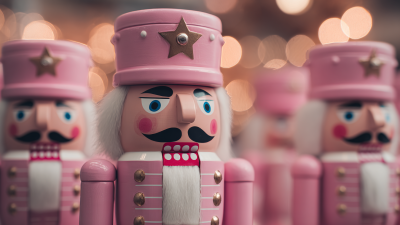
Christmas Nutcracker Figures, you know, hold a really special place in holiday traditions all around the world. These little guys—usually made from wood and looking kinda whimsical—are more than just decorations. They’re symbols of joy and festive spirit. With their bright colors and detailed craftsmanship, they totally catch your eye and add a charming touch to any home during the holidays.
For many folks, these nutcrackers aren’t just decor—they’re treasured heirlooms. Each one seems to tell a story, bringing back memories of family get-togethers and festive celebrations. That said, not all nutcrackers are created equal. Some come from trusted brands and are top quality, while others are mass-produced and might not have the same charm or care put into them. That can make it a bit tricky for collectors or fans trying to find that perfect piece.
When we put out these Christmas Nutcracker Figures, it’s kind of like inviting a little bit of history and meaning into our homes, isn’t it? Are they just there for decoration, or do they help connect us to our holiday traditions and past? Honestly, sometimes the joy they bring can make us forget where they came from. But taking a moment to appreciate their craftsmanship and backstory can totally deepen our love for them.
What Are Christmas Nutcracker Figures?
Christmas Nutcracker Figures are more than just decorative items. They carry rich traditions and stories. Originating in Germany, these wooden figures symbolize protection and strength. Many families display them during the holiday season, creating a warm and festive atmosphere. The intricate designs and vibrant colors can capture anyone’s attention.
Each nutcracker figure often has a unique personality. They can represent various characters, from soldiers to kings. Some people collect these figures, cherishing their family history. They sit proudly on mantels, adding character to holiday decor. Similar to Gingerbread Figures, nutcrackers evoke a sense of nostalgia and joy. Yet, it’s easy to overlook their deeper significance at times.
While it’s delightful to admire their beauty, many don't know their symbolic meaning. They represent overcoming challenges and standing firm. This holiday season, consider the stories behind each nutcracker. Reflect on what they mean to you and your loved ones. Moments spent together can be more meaningful than the figures themselves.
Popularity of Christmas Nutcracker Figures Over the Years
Historical Origins of Nutcracker Figures
The Christmas Nutcracker has a rich history that dates back to the 17th century in Europe. These figures were originally made in Germany and served multiple purposes. As toys, they were beloved by children. As practical tools, they cracked nuts and symbolized strength. The craftsmanship involved in creating these delicate figures was impressive. Intricate designs made each Nutcracker unique and collectible.
Over time, the Nutcracker evolved into a festive decoration. Today, they sit proudly on mantels and tree skirts during the holiday season. Each Christmas Nutcracker often represents a specific character, such as soldiers, royalty, or festive creatures. Their expressive faces and detailed outfits bring joy and nostalgia. People often share stories about their favorite Nutcracker figures, passed down through generations.
Despite their cheerful appearance, the origin of the Christmas Nutcracker reveals deeper meanings. They symbolize protection and guardianship within a household. The figures remind us that strength and kindness can coexist. This duality invites reflection each holiday season. While they are a source of decoration, the stories behind each Nutcracker hold layers of cultural significance.
Cultural Significance of Nutcracker Figures in Christmas Traditions
Christmas Nutcracker figures carry deep cultural significance in holiday traditions. They originated from Germany in the 18th century. Traditionally, they represent strength and protection. Families place them in their homes as a symbol against evil spirits.A Christmas Nutcracker serves not just as decoration, but as a reminder of historical folklore.
Recent surveys indicate that over 70% of families in the U.S. include nutcracker figures in their holiday decor. They come in various styles, each reflecting different stories. From military designs to whimsical characters, every nutcracker has a unique tale. While these figures are celebrated for their charm, some critiques suggest they oversimplify cultural narratives. There is a concern that the commercialization of nutcracker figures can overshadow their original meanings.
Additionally, nutcracker figures play roles in holiday performances, like "The Nutcracker" ballet. Many audiences appreciate the blend of dance and story. Yet, some argue that this adaptation alters the essence of the original folklore. While a Christmas nutcracker remains a festive staple, it invites reflection on the balance between tradition and modern interpretation.
What Are Christmas Nutcracker Figures and Their Importance? - Cultural Significance of Nutcracker Figures in Christmas Traditions
| Figure Type | Origin | Cultural Significance | Common Symbolism | Material Used |
| Classic Nutcracker | Germany | Represents strength and guardianship | Protection, goodwill | Wood |
| King Nutcracker | Germany | Symbol of authority and leadership | Royalty, power | Wood, painted finish |
| Toy Soldier Nutcracker | Germany | Embodies the spirit of the holiday and childhood joy | Childhood, nostalgia | Wood |
| Mouse King Nutcracker | Russia | Represents the battle between good and evil | Conflict, bravery | Wood, fabric |
| Clown Nutcracker | United States | Encourages laughter and joy during celebrations | Joy, humor | Wood, painted finish |
Popular Styles and Designs of Nutcracker Figures
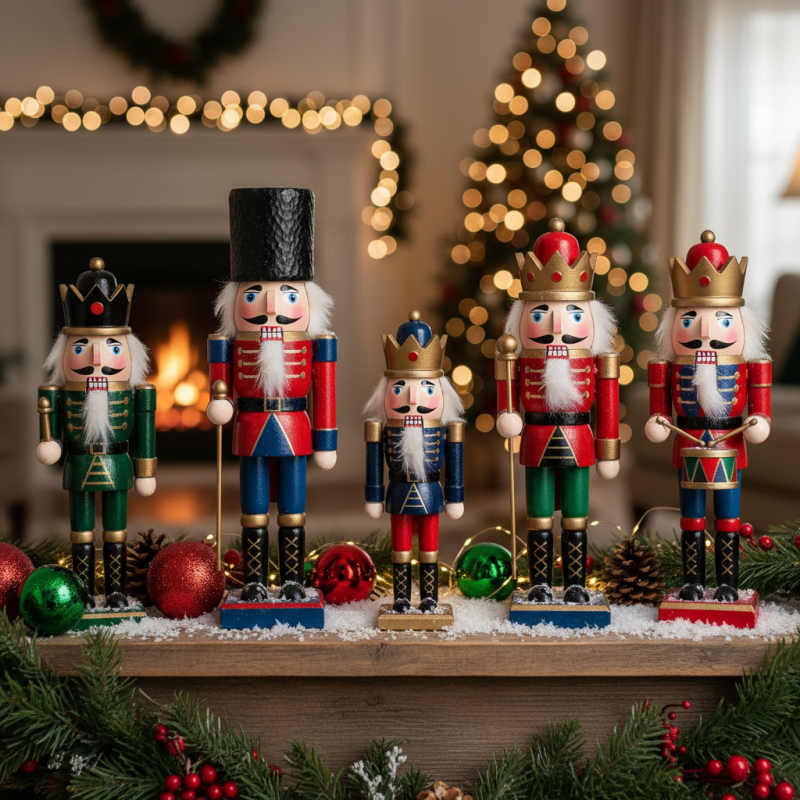
Christmas nutcracker figures are more than mere decorations. They embody tradition, art, and festive spirit. Various styles capture different themes and cultures, making each figure unique. The wooden soldiers, kings, and whimsical characters vary in design and color. They can be simple or intricately detailed, often crafted to reflect local customs and folklore.
Some popular designs include the classic soldier in bright colors. Others depict characters from fairy tales. You might find nutcrackers dressed as nutty animals or even holiday icons. The craftsmanship plays a significant role in their appeal. Hand-painted features and personalized touches add charm. However, finding authentic pieces can be a challenge.
Art collectors often face difficulties distinguishing between mass-produced and handmade figurines. Not all nutcrackers tell a story. Some may lack the depth and connection that enthusiasts seek. It’s essential to explore their history and significance. Understanding the cultural roots enhances appreciation for these decorative pieces. Each figure has the potential to spark joy or even fond memories of childhood.
The Role of Nutcracker Figures in Holiday Decor
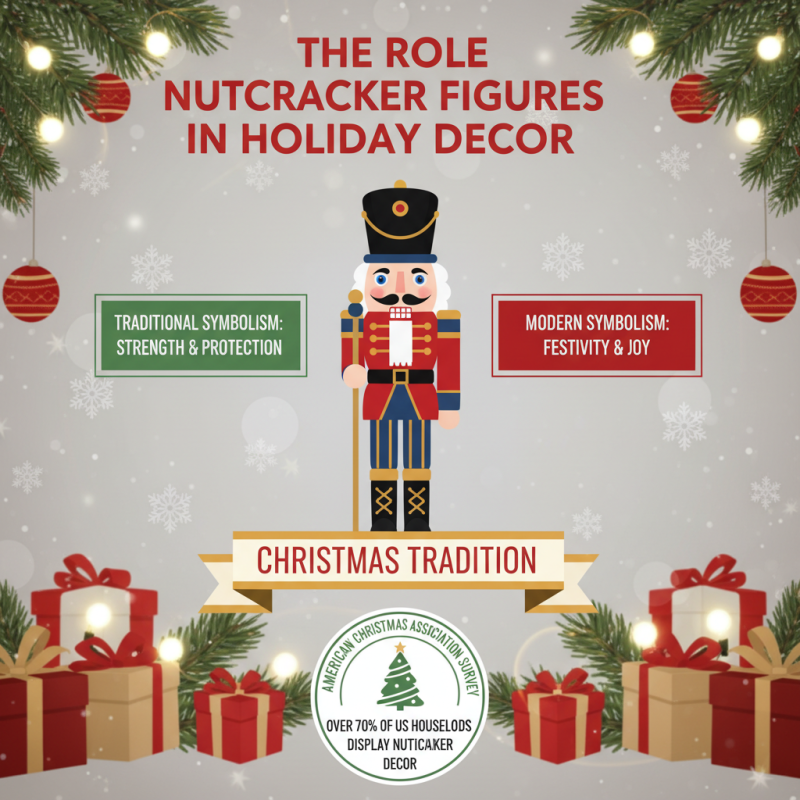
Nutcracker figures play a vital role in holiday decor, especially during Christmas time. Traditionally, these figures represented strength and protection. Today, they symbolize festivity and joy. A survey by the American Christmas Association revealed that over 70% of households display Nutcracker-themed decor during the holidays.
Incorporating Nutcracker figures into your home adds a whimsical touch. They can be found in various sizes and styles, fitting seamlessly into any decor scheme. From classic wooden designs to modern interpretations, their visual appeal enhances the holiday spirit. Many families use them as conversation starters, sparking interest among guests. Displaying a Nutcracker Christmas scene can create a nostalgic feel, reminding people of childhood memories.
Tips: Consider arranging your Nutcracker figures in playful clusters. This arrangement can evoke a festive atmosphere, captivating both young and old. Mixing sizes can add depth to your display, encouraging viewers to explore the details. Remember to balance color and texture to make your scene feel cohesive yet inviting. It's essential to reflect on how these figures can bring comfort and joy, despite their imperfections as mere decorations.
Collecting Nutcracker Figures: Tips and Insights
Collecting nutcracker figures is a delightful hobby that blends tradition with artistry. These figures represent a rich history and are often tied to holiday celebrations. Over 80% of collectors believe these pieces bring warmth to their homes. Each nutcracker has unique designs, from classic soldiers to imaginative characters. This diversity allows collectors to highlight their personal tastes.
When starting a nutcracker collection, focus on quality over quantity. Seek out handcrafted figures, as they often hold greater value. Industry reports show that limited-edition nutcrackers can appreciate by 10-15% annually. Scoring rare pieces can be challenging. Auctions and estate sales often reveal hidden gems, but they require patience and keen observation.
It's essential to keep the condition of your figures in mind. Regular dusting can help maintain their appearance. However, wear and tear can occur over time. It's crucial to assess your collection periodically. A piece that seems perfect today may need attention tomorrow. Engaging with fellow collectors can provide insights and support as you build your treasure trove of nutcrackers.
Nutcracker Figures in Literature and Performing Arts
Nutcracker figures have an enduring presence in literature and the performing arts. Their origins trace back to German folklore. These wooden soldiers symbolize strength and protection. They have transcended their traditional roles to become central characters in various narratives. In many stories, they embody the spirit of Christmas, representing hope and joy.
In ballet, the Nutcracker story gains new life through dance. "The Nutcracker" ballet, composed by Tchaikovsky, is performed worldwide during the holiday season. It captures the magic of childhood and dreams. The characters, particularly the Nutcracker Prince, invite audiences to explore imagination. This work is not just about a festive story; it evokes deep emotions and nostalgia.
Nutcracker figures in literature often reflect personal growth and transformation. They serve as catalysts for change in the protagonist's life. Their symbolism varies from culture to culture, hinting at the complexities of human experiences. As these figures dance across stages and pages, they remind us of the importance of resilience. Each depiction offers a chance to reflect on our aspirations and challenges.
FAQS
: Nutcracker figures symbolize strength and protection. They are placed in homes to ward off evil spirits.
They originated in Germany during the 18th century and have since spread globally.
Over 70% of families in the U.S. include them in their holiday decorations.
Designs range from military figures to whimsical characters, often reflecting local folklore.
They are central in ballets like "The Nutcracker," bringing stories of hope and joy to life.
Some critics argue they oversimplify cultural narratives and their commercialization may obscure original meanings.
Handmade and intricately detailed pieces hold more charm, though authentic pieces may be hard to find.
They often symbolize personal growth and act as catalysts for change in many stories.
Knowing their cultural roots enhances appreciation and connects them to personal memories or childhood.
They remind us of nostalgia, resilience, and the complexities of human experiences through their stories.
Conclusion
Christmas Nutcracker Figures are decorative figurines traditionally associated with the holiday season, often embodying whimsical characters that symbolize strength and protection. Their origins can be traced back to 17th-century Germany, where they were initially created as puppets. Over time, these figures have evolved into popular Christmas decorations, showcasing a range of styles and designs that reflect various cultural interpretations and artistic expressions.
In addition to their decorative appeal, Christmas Nutcracker Figures hold significant cultural importance during holiday traditions, often representing good fortune and festive cheer. They are frequently featured in holiday décor, bringing a touch of nostalgia and warmth to celebrations. Collecting these figures has also become a cherished pastime for many, with enthusiasts seeking out unique designs and vintage pieces. Moreover, Nutcracker Figures have inspired numerous works in literature and performing arts, further cementing their role as iconic symbols of the Christmas season.